
Africa is not one market. It’s hundreds of markets — made of languages, cultures, customs and user expectations that shift from town to town. That’s why industrial-specific localization (tailoring language, tone, format and delivery to a particular industry and locale) is no longer optional — it’s strategic.
Below we go deeper into the why and the how, using concrete examples from organizations already getting it right — and practical guidance your team can use today.
Why “translation” alone won’t win you markets
A literal, word-for-word translation might be understandable. But being understood the right way — in tone, intent and practical meaning — is what wins trust. Different industries require different precision, tone and delivery:
- Fintech needs legal clarity and simple UX language.
- Healthcare must be medically accurate and culturally sensitive.
- E-commerce needs persuasive product copy and clear returns instructions.
- Humanitarian work needs urgent, unambiguous messaging that reaches low-literacy audiences.
When organizations treat localization as a checkbox, messages fail. When they treat it as strategy, adoption and impact follow.
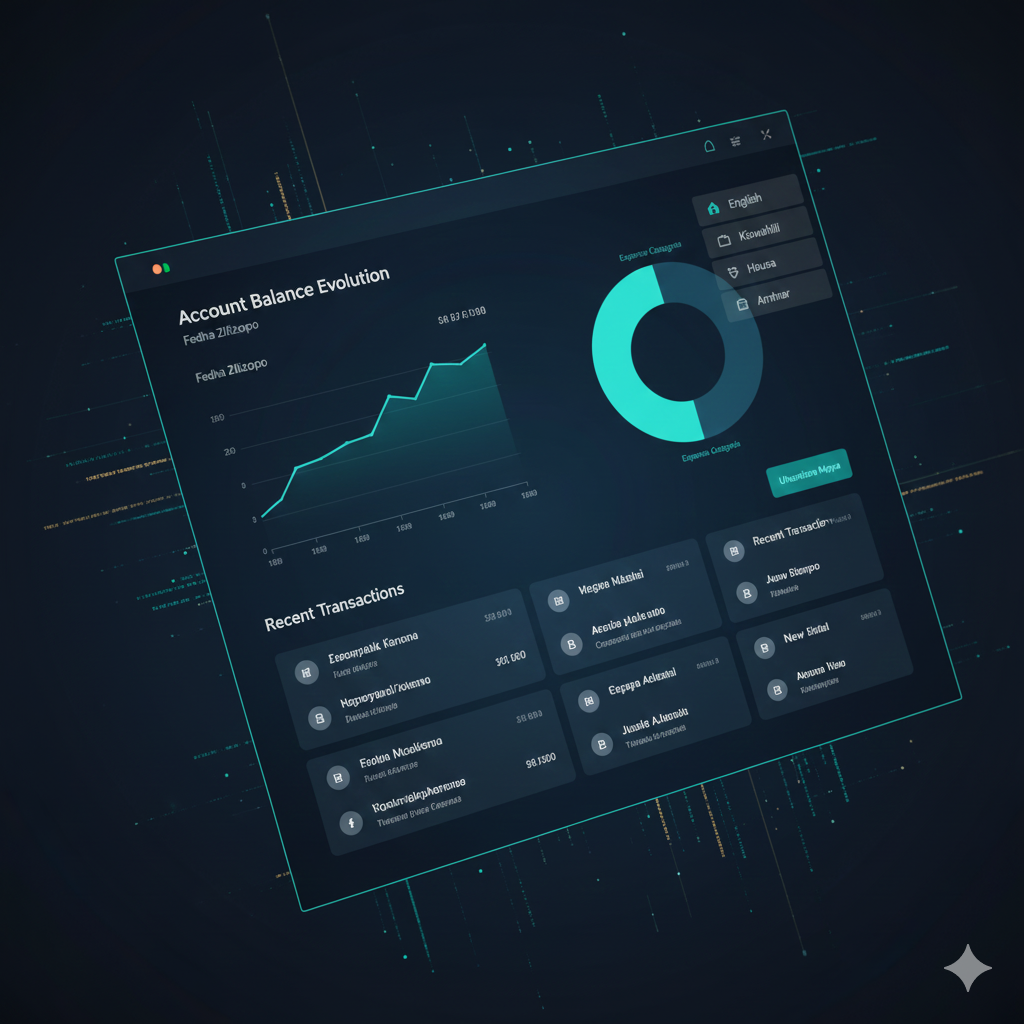
Fintech: clarity equals trust (and scale)
Fintech is one of the most language-sensitive sectors. Misreading a prompt about a payment, security check or loan term breaks user trust overnight.
Real-world examples
- M-Pesa (Safaricom): M-Pesa’s success across East Africa came from product flows adapted to local behavior — USSD menus, Kiswahili support, clear short prompts and local agent networks that explained concepts in local terms. That combination of language, channel and community support helped adoption among users who were new to digital money.
- Flutterwave & Chipper Cash: These pan-African payments platforms localize onboarding flows and payment options to reflect how users pay and expect to be charged in each market. That includes local currencies, mobile money integrations, and short, action-focused copy.
Practical localization actions for fintech
- Build an industry glossary of financial terms with approved local translations.
- Localize microcopy in the app: button labels, error messages, confirmation texts.
- Use voice and IVR for low-literacy users, and ensure wording is legally valid yet simple.
- Test flows with local agents before full roll-out.
Healthcare: precise language saves lives
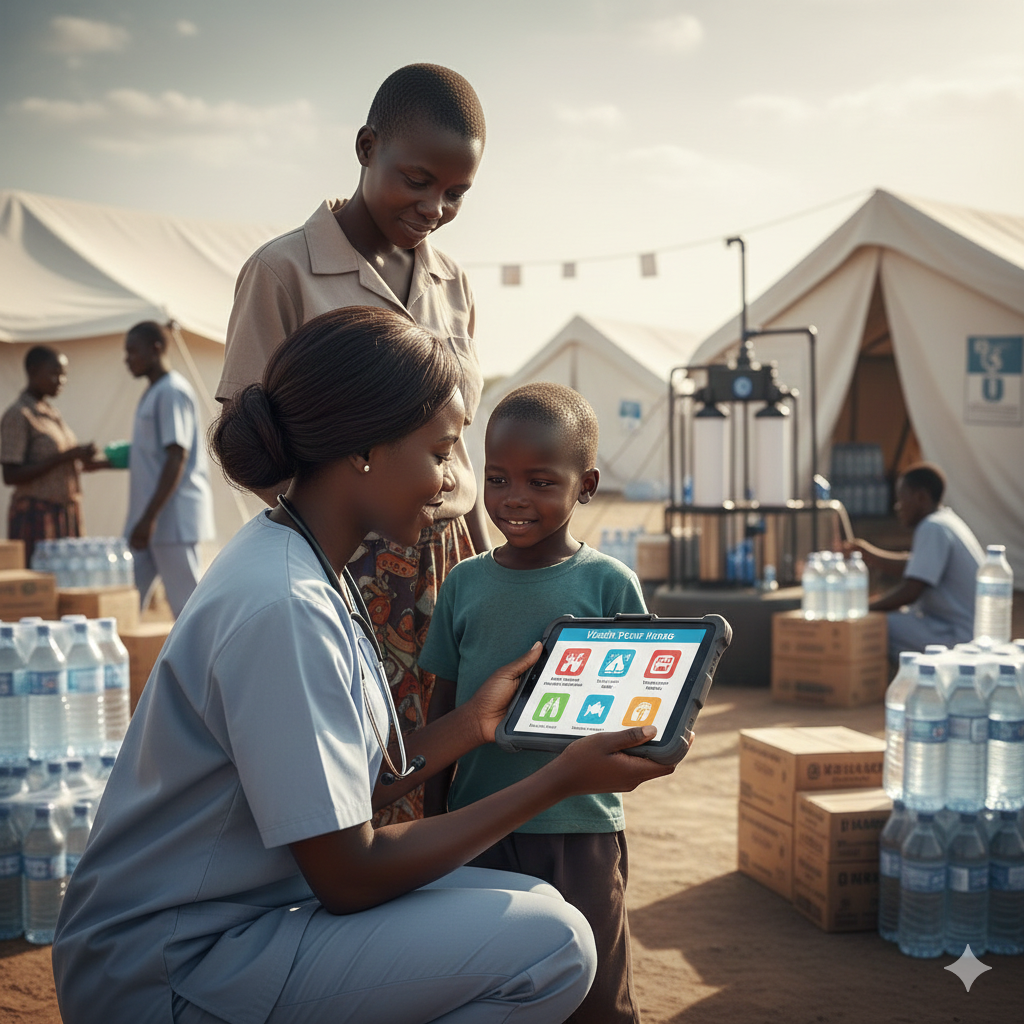
In healthcare, a mistranslated dosage instruction or vaccination message is not just bad UX — it’s dangerous.
Real-world examples
- WHO & UNICEF: Global health bodies routinely translate public-health campaigns into multiple local languages and formats (audio, radio scripts, illustrated guides) to reach communities where written materials won’t work. Their approach shows how medical content must be adapted for cultural understanding and actionable clarity.
- Local health innovators: Clinics and health startups often use voice messages and local radio in native languages to explain vaccination schedules or maternal-health steps — formats that are accessible to those who can’t read.
Practical localization actions for health
- Vet all medical translations with local clinicians and public-health experts.
- Provide low-literacy versions: pictograms, audio, and short voice prompts.
- Localize culturally sensitive phrasing (e.g., how you address family roles or community elders).
- Use rapid in-market testing: pilot messages with small groups and refine before scale.
E-commerce: local language increases conversions
For online shopping, every line of copy helps convert a hesitant customer into a buyer. Localization here is about trust, not just comprehension.
Real-world examples
- Jumia & local marketplaces: Marketplaces that succeed localize product descriptions, shipping rules, payment instructions and customer reviews. They adapt imagery, sizing information and common local examples so users immediately understand value.
- Global brands like Coca-Cola and Adidas: These brands localize campaigns (not just translations) — visuals, slogans and promotions are adapted to reflect local celebrations and tastes, which boosts resonance and recall.
Practical localization actions for e-commerce
- Localize product descriptions using locally familiar terms and examples.
- Make payment instructions culturally relevant (explain mobile money vs. card steps).
- Localize customer support responses and chatbot scripts for tone and formality.
- Localize return & warranty copy to remove friction and set expectations.
Humanitarian & NGO work: clarity is an ethical imperative
For NGOs, localization isn’t marketing — it’s often lifesaving communication. Speed + clarity + cultural fit matter most.
Real-world examples
- UNICEF, IRC, Mercy Corps, Oxfam: These organizations translate emergency alerts, health advisories and program instructions into local languages and deliver them via trusted channels — radio, SMS, voice hotlines and community leaders — to ensure comprehension and action.
- Field teams: Local translators and community volunteers are embedded to verify messaging and to adapt tone and format in real time during crises.
Practical localization actions for NGOs
- Create pre-translated emergency templates validated with local actors.
- Use voice, IVR and radio for low-connectivity and low-literacy contexts.
- Map trusted community channels (local leaders, churches, radio stations) for message distribution.
- Engage local translators and community members in message design before deployment.
How organizations build industry-grade localization (practical roadmap)
- Prioritize critical touchpoints. Start where misunderstanding is most costly: legal docs, safety messages, onboarding, payments and support.
- Create industry glossaries. Maintain approved translations of technical and regulatory terms.
- Adopt hybrid workflows. Use machine translation for scale, but require native post-editing and sector expert review.
- Design for accessibility. Include audio, voice interfaces, pictograms and simplified text versions.
- Pilot in market. Test messages with local users (A/B tests, focus groups, community pilots).
- Measure and iterate. Track adoption, support load, conversion and comprehension metrics; iterate quickly.
Measuring success: the KPIs that matter
Localization must be measurable. Track metrics such as:
- Conversion lift on localized pages vs. non-localized pages.
- Reduction in support tickets and misinterpretation-related complaints.
- Time-to-onboard for users in localized flows.
- Comprehension rates from small market tests or surveys.
- Program uptake (for NGOs) or medication adherence (for health programs).
These KPIs convert localization from cost center to growth driver.
Conclusion — localization is a strategic advantage
Across fintech, healthcare, e-commerce and humanitarian work, clear industry-specific localization reduces risk, accelerates adoption and saves lives. Organizations that invest in the right mix of local data, human expertise and sector knowledge don’t just translate — they connect.
If your organization is scaling in Africa, treat localization as a strategic pillar. Start with the highest-risk touchpoints, bring in local experts, and measure what matters. The result: better outcomes for people and stronger growth for your programs or business.
Ready to build industry-grade localization for your sector? Contact FYTLOCALIZATION and let’s design a tailored plan that matches your intent, risks, users and goals.