
A voice note travels faster than a letter ever did. A chatbot answers before a human can. An AI system listens, transcribes, responds.
But here's the quiet question behind all of it: Whose language is the technology listening to?
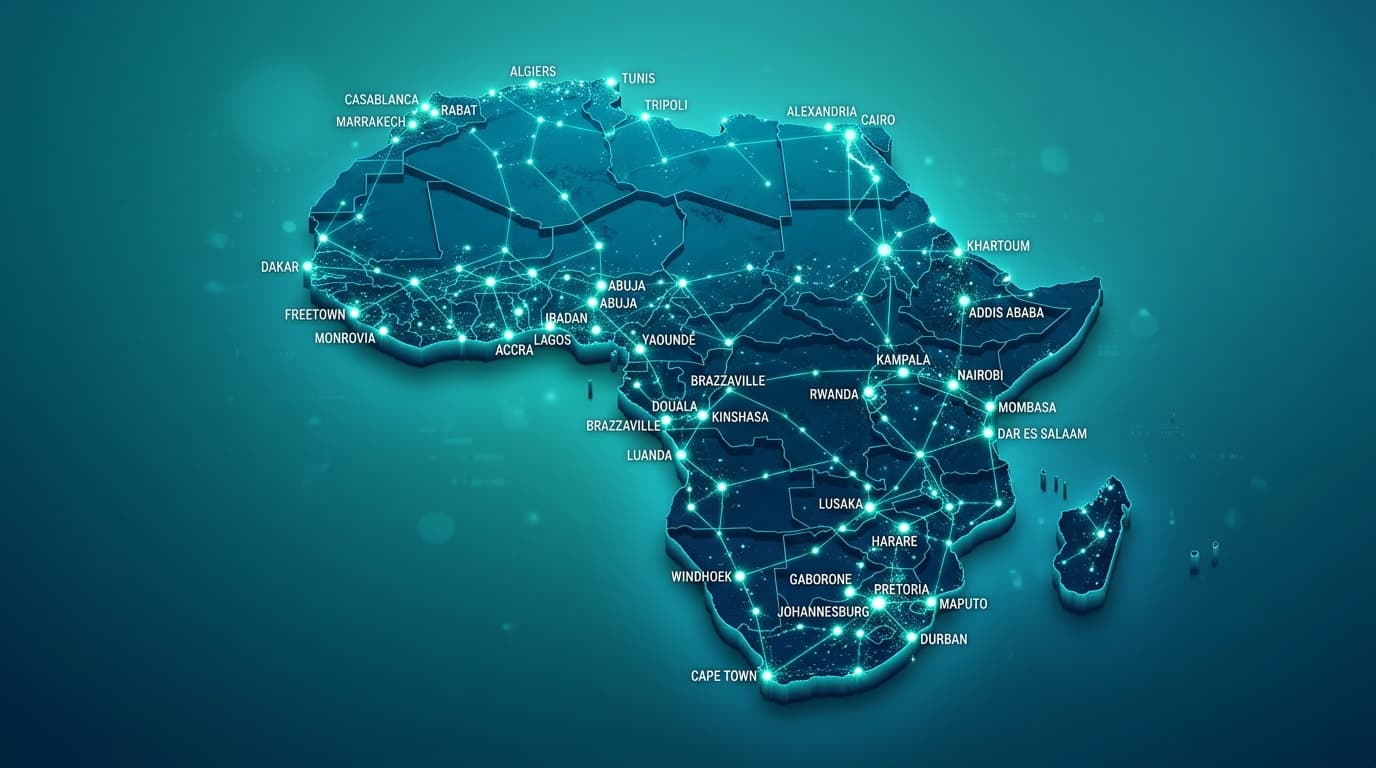
Across Africa, millions of people communicate digitally every day through calls, messages, audio notes, apps, and platforms. Yet the languages they use at home, in markets, and in communities are often missing from the systems built to serve them. As Africa becomes more connected, the role of language in technology is no longer cultural alone—it's foundational.
Africa Is Already Digital — Just Not Fully Heard: From WhatsApp voice notes in Lagos to mobile banking prompts in Nairobi, digital communication is woven into everyday African life. People switch between languages, mix tones, borrow words, and adapt speech depending on context. This isn't a future scenario. It's already happening right now.
Yet many digital tools still rely on a narrow set of global languages, leaving vast communities underserved. When systems fail to recognize accents, tones, or local expressions, communication breaks down—not because people aren't speaking clearly, but because technology isn't listening well enough.
Where Language Meets Technology: Every modern digital system that 'understands' humans depends on language data: speech recognition, audio transcription, machine translation, chatbots and virtual assistants, and voice-driven search tools.
For African languages, this comes with unique challenges: tonal meaning (where pitch changes meaning), strong regional accents, code-switching between languages, and rich oral traditions with fewer written datasets. Technology doesn't automatically understand this complexity—it has to be taught carefully, accurately, and locally.
Why African Languages Matter in AI: AI systems learn from examples. If a language isn't present in the training data, it becomes invisible to the system. That invisibility has real consequences: misinterpretation of speech, poor transcription quality, exclusion from digital services, and bias in automated decision-making.
African languages are not 'low-resource' by nature. They are under-represented because they have been historically under-collected. Fixing this isn't just a technical task—it's a human one.
The Role of Native Speakers and Local Context: No algorithm can replace lived understanding. Accurate language technology requires native speakers who understand nuance and tone, deep cultural context behind words and expressions, and human-in-the-loop systems that validate and refine data.
This is especially true for audio data—where pronunciation, rhythm, emotion, and accent all matter. When language work is done close to the source, technology becomes more accurate, fair, and useful.
Bridging the Gap: From Local Voices to Global Systems: Across the continent, structured efforts are underway to ensure African languages are properly represented in digital systems. This includes translation and localization of content, audio transcription across multiple African languages, linguistic data annotation for AI training, and community-driven language data collection.
At FYTLocalization, this work is ongoing—supporting organizations by connecting technology with real speakers, real accents, and real linguistic knowledge from across Africa. The focus isn't just scale, but accuracy, speed, and cultural relevance.
Building Language-Ready Systems for Africa's Digital Future: Africa's linguistic diversity is not a barrier to digital growth; it's a profound strength. As technology becomes more voice-driven and AI-powered, the future will belong to systems that understand people as they truly speak, not as simplified versions of global norms. Whether you are training AI models, expanding digital services into African markets, localizing content for real-world impact, or building inclusive language technology, we help turn local voices into reliable, high-quality data. If your next project requires scale, speed, and linguistic accuracy across Africa, let's build it together.