
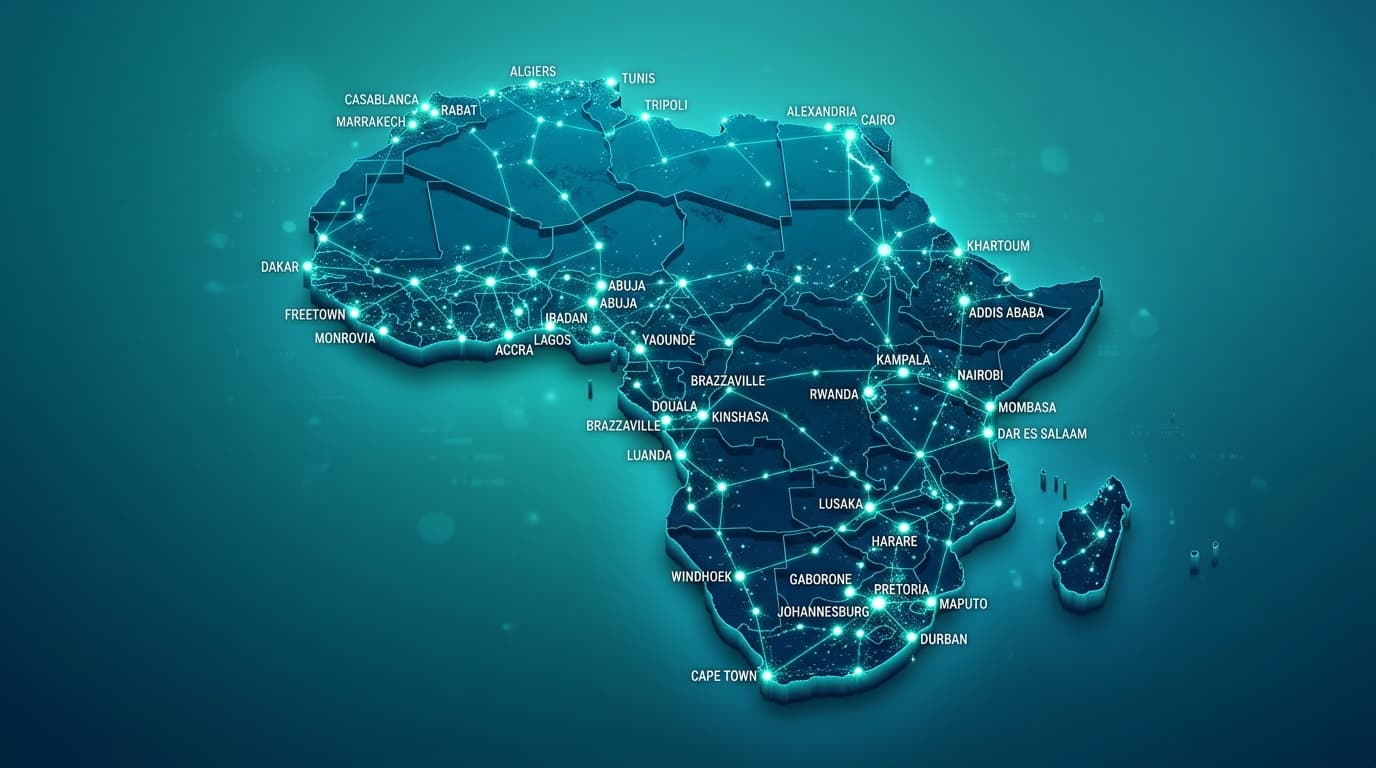
Africa is home to one of the richest language ecosystems on Earth, yet it is often discussed as a challenge rather than a strength. It will be interesting enough to unveil the wonders in African languages.
Across the continent, thousands of languages are spoken every day, carrying history, science, culture, and systems of social organization. These languages are not simply tools for communication; they are repositories of knowledge, shaped over centuries by the people who speak them. To understand African languages is not just to study words, it is to understand how communities think, relate, trade, govern, and survive.
A Continent Built on Multilingualism: Africa is the most linguistically diverse continent in the world. It becomes even more interesting knowing that these diversities bring about coexistence and connection rather than division. In many African societies, speaking multiple languages is not unusual, it is normal. A single individual may use one language at home, another in the marketplace, and yet another in education or formal settings. This everyday multilingualism reflects deep social intelligence, showing how African communities have long learned to navigate diversity, negotiate meaning, and live across cultural boundaries.
Living Languages, Not Relics of the Past: A common misconception is that African languages are fixed in the past. In reality, they are constantly evolving. African languages adapt quickly to new ideas, technologies, and social changes. New words are created, meanings shift, and expressions evolve, just as they do in any living language. From storytelling and music to radio, mobile phones, and digital platforms, African languages remain central to how people communicate, learn, and make sense of the world around them. They are not disappearing; they are alive, flexible, and deeply expressive.
When Language Shapes Understanding: Language does more than transmit information—it shapes understanding. When messages are delivered in familiar languages, they carry trust, clarity, and emotional meaning. When they are not, even well-intentioned ideas can feel distant or confusing. Across everyday life in Africa, people rely on language not just to receive information, but to interpret it — to decide whether it is relevant, credible, or worth acting on. This is why language sits at the center of how societies function.
From Sounds to Systems: Taken together, Africa’s languages form something far greater than a collection of dialects. They form systems — structured, connected, and historically grounded. These systems did not emerge by accident. They grew through migration, trade, environment, belief, and shared human experience. Linguists often group African languages into four major families, each telling a different story about how people moved, lived, and communicated across the continent.
1. Niger-Congo (The World’s Largest Language Family): The Niger-Congo family is the largest language family in the world by number of languages — and Africa is its heart. It covers much of West Africa, Central Africa, and Southern Africa. Languages like Yoruba, Igbo, Zulu, Shona, Wolof, Akan, and hundreds more belong here. A defining feature of Niger-Congo languages is how meaning is shaped through word structure and tone. Small changes in sound can signal respect, age, ownership, or emotion. Language here is not just about saying something, it’s about how (tune) you say it. This family reflects Africa’s long history of migration, farming, trade, and social organization.
2. Afroasiatic (Languages of Ancient Civilizations): Stretching across North Africa, the Horn of Africa, and parts of the Middle East, this family includes Arabic, Amharic, Hausa, and Somali. Many Afroasiatic languages have deep written traditions going back thousands of years. They are closely tied to religion, governance, and scholarship, balancing oral strength with written history while adapting across deserts, coastlines, and empires, while remaining alive and evolving today.
3. Nilo-Saharan (Languages Along Rivers and Grasslands): Spoken mainly across parts of East Africa, the Nile basin, and Central Africa, these languages are linked to pastoral and river-based societies. They reflect environments shaped by movement, cattle herding, seasonal migration, and survival in open landscapes. They carry precise ways of describing land, livestock, weather, and community roles, reminding us that language grows directly from how people live.
4. Khoisan (The Sound of Humanity’s Earliest Speech): Perhaps the most famous, and most misunderstood, is the Khoisan family of Southern Africa. Khoisan languages are renowned for their click sounds, which are deeply meaningful consonants rather than decorative accents. Far from being 'primitive', these languages are highly complex, showing us that Africa's linguistic history doesn't just explain Africa—it explains humanity.
A Living Map, Not a Museum Piece: These four families are not frozen in time; they mix, adapt, borrow, and grow. Together, they form a living map of Africa's movement, trade, belief systems, and social bonds. Understanding them helps us see Africa as a continent of systems, not fragments. Because in Africa, language doesn't just divide — it connects.